

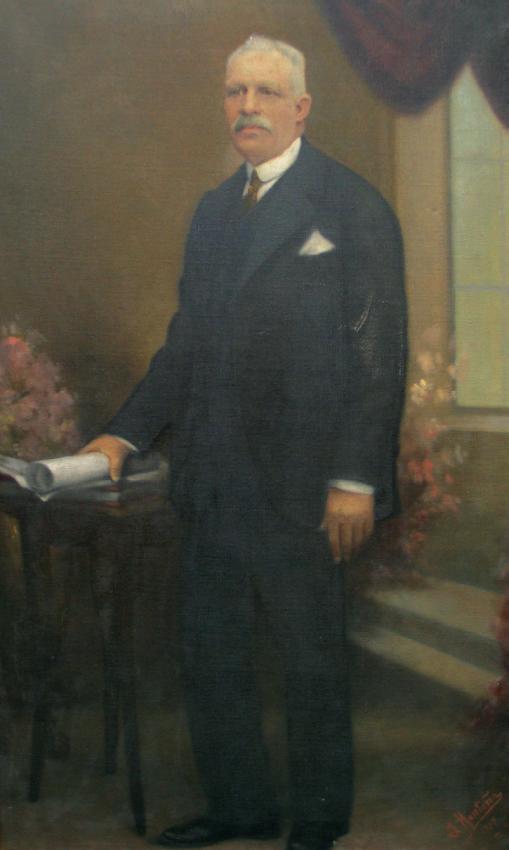
He started out as a master builder before qualifying as an architect in Barcelona in 1877. He was one of the architects who built the most between 1880 and 1900, especially in the Eixample district of Barcelona, although he also constructed buildings, such as Casa Oller (Plaça de l´Ajuntament, 10, Sitges, 1891) in other places, mainly where people used to spend the summer in Catalonia.
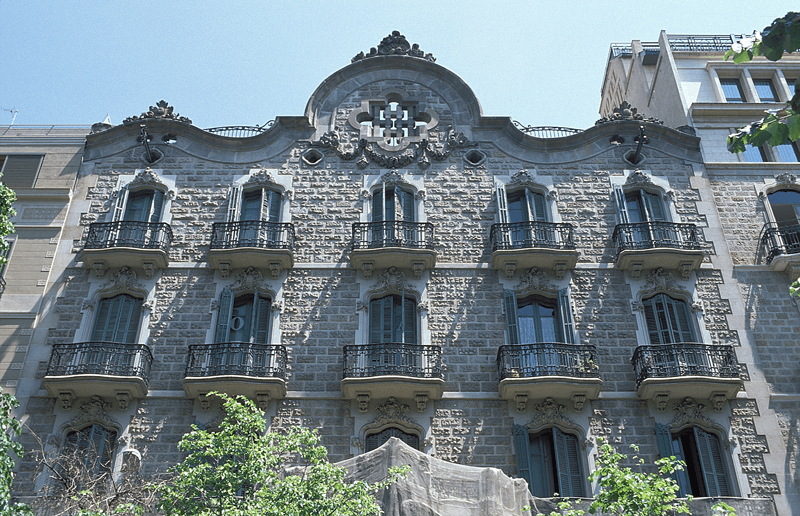
His work is regarded as falling within the framework of Classicism, but in some of his buildings he made certain concessions to Modernista features ? such as, for example, in Casa Juncosa (1907-1909; Rambla de Catalunya, 78), which he built together with his step-brother Melcior Viñals* (1878-1938), also an architect ? and used a Modernista ornamental repertoire. His work eventually evolved towards Noucentisme ("1900-ism", a term coined in 1906 to refer to 20th century Catalan culture).
He also designed burial vaults, factories and theatres, such as the former Teatro Novedades (1890; no longer in existence).
He worked with the architect J. Domènech i Estapà on building the Model Prison in Barcelona (1888-1904; Entença, 155).
Principal works
Get the Guidebook of Barcelona Modernisme Route
The Barcelona Modernisme Route is an itinerary through the Barcelona of Gaudí, Domènech i Montaner and Puig i Cadafalch, who, together with other architects, made Barcelona the great capital of Catalan Art Nouveau. With this route you can discover impressive palaces, amazing houses, the temple that is symbol of the city and an immense hospital, as well as more popular and everyday works such as pharmacies, shops, shops, lanterns or banks. Modernisme works that show that Art Nouveau took root in Barcelona and even today is still a living art, a lived art.
The Guidebook of Barcelona Modernisme Route can be acquired in our centers of Modernisme.