

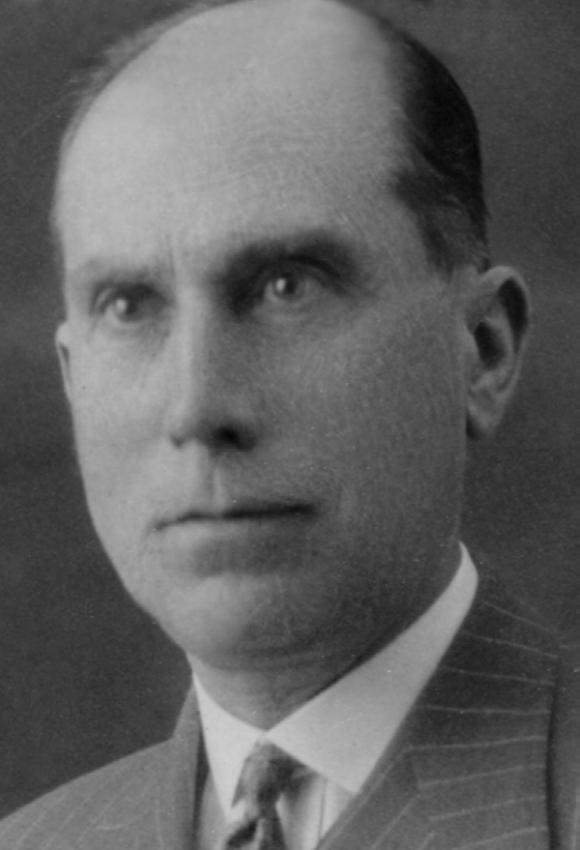
He was a pupil of J. Puig i Cadafalch, with whom he collaborated on research into Catalan Romanesque architecture during which he acquired knowledge that had a clear influence on his work.
He began his professional career fully within the Modernista movement, with works abounding in the use of the applied arts and in which there is an obvious influence of the work of the architect A. Gaudí as regards materials and forms. In 1906 he went to work for Barcelona City Council as municipal architect, which led to a change in his style. He started to make buildings that were more austere. He concentrated on municipal works and no longer enjoyed the custom of the bourgeoisie.
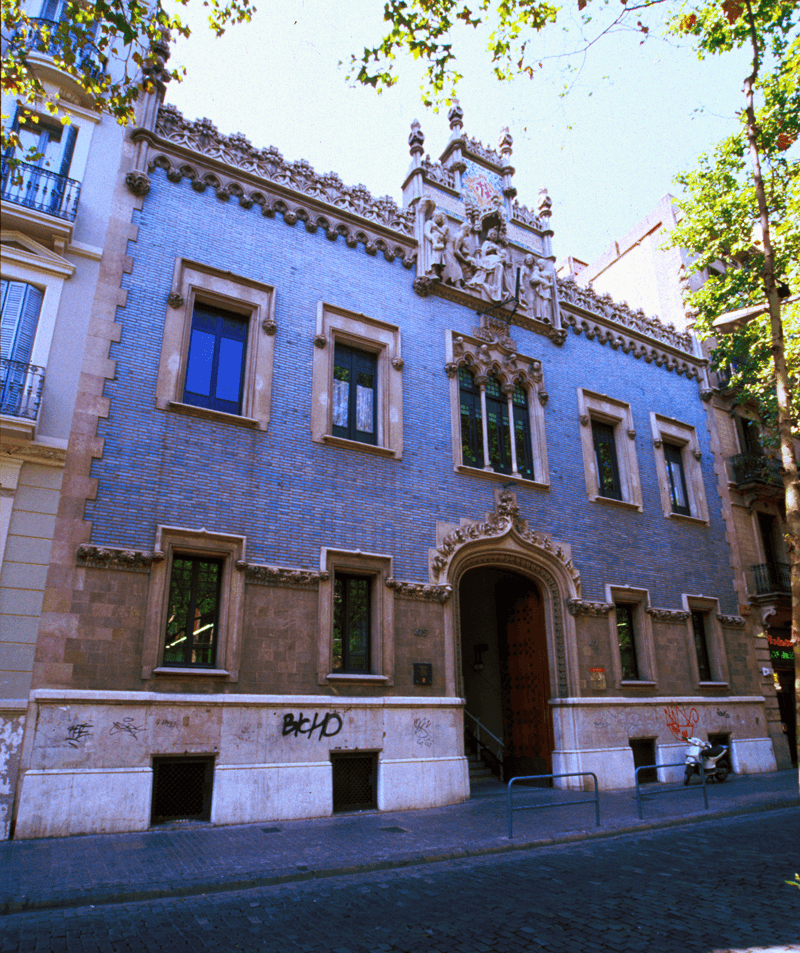
His most emblematic buildings are Casa de la Lactància Municipal in Barcelona (Municipal Nursing Mothers' Home, 1907-1914; Gran Via de les Corts Catalanes, 475-477), the Municipal School of Music (1916; Bruc, 104-112), the decoration of the Bolós chemist's shop (1902; Rambla de Catalunya, 77) and the stained glass at the entrance to the Boqueria Market as well as the market's metal roof, for which Miquel de Bergue had made a previous plan in 1864.
From the 1920s onwards he concentrated on restoring buildings, such as Barcelona City Hall.
He also designed furniture and jewellery employing the undulating shapes and floral motifs that he used on his buildings.
Principal works
Get the Guidebook of Barcelona Modernisme Route
The Barcelona Modernisme Route is an itinerary through the Barcelona of Gaudí, Domènech i Montaner and Puig i Cadafalch, who, together with other architects, made Barcelona the great capital of Catalan Art Nouveau. With this route you can discover impressive palaces, amazing houses, the temple that is symbol of the city and an immense hospital, as well as more popular and everyday works such as pharmacies, shops, shops, lanterns or banks. Modernisme works that show that Art Nouveau took root in Barcelona and even today is still a living art, a lived art.
The Guidebook of Barcelona Modernisme Route can be acquired in our centers of Modernisme.