

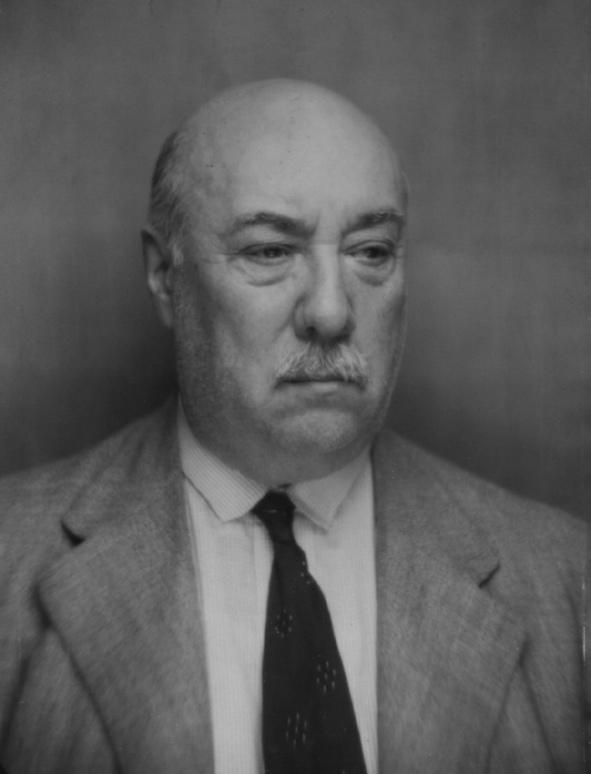
He qualified as an architect in 1897. His early production can be located within Modernisme, but he soon turned towards the construction of monumentalist buildings, such as the Jorba department store in Barcelona (1926-1932; Portal de l'Àngel, 19-21), although he always maintained links with the Catalan tradition. This architect also designed the twin buildings known as Casa Francesc Lalanne and Cases Armenteras (1907; Provença, 324 and 326) and Sarrià market which he did together with M. Coquillat (1911-1913; Passeig de la Reina Elisenda de Montcada, 8).
He worked with B. Conill i Montobbio in 1906 on the Vallvidrera Funicular (1905; Avinguda de Vallvidrera, 66 - Queralt, 20), in which certain Viennese solutions were employed. The building of the former Hidroelèctrica de Catalunya (1905; Arcs, 10), which can be regarded as belonging to a breakaway tendency of Modernisme, is also by him.
Principal works
Sorry for the inconvenience, but we do not have any work for this author.
Get the Guidebook of Barcelona Modernisme Route
The Barcelona Modernisme Route is an itinerary through the Barcelona of Gaudí, Domènech i Montaner and Puig i Cadafalch, who, together with other architects, made Barcelona the great capital of Catalan Art Nouveau. With this route you can discover impressive palaces, amazing houses, the temple that is symbol of the city and an immense hospital, as well as more popular and everyday works such as pharmacies, shops, shops, lanterns or banks. Modernisme works that show that Art Nouveau took root in Barcelona and even today is still a living art, a lived art.
The Guidebook of Barcelona Modernisme Route can be acquired in our centers of Modernisme.