

Josep Domènech i Estapà
Tarragona (1858) - Cabrera de Mar (1917)
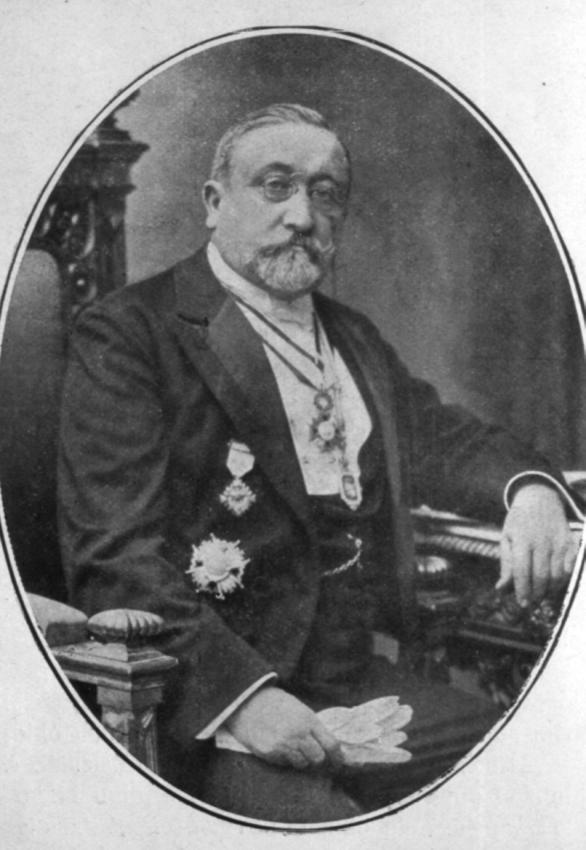
J. Domènech i Estapà was an architect who manifested his opposition to the Modernista movement. However, he should be seen as a Pre-Modernista, although on the most historicist wing of the current using the most conservative shapes. His buildings are large, rather rigid, stone constructions influenced at first by Mudéjar architecture, but with certain innovative features betokening the new Modernista current.
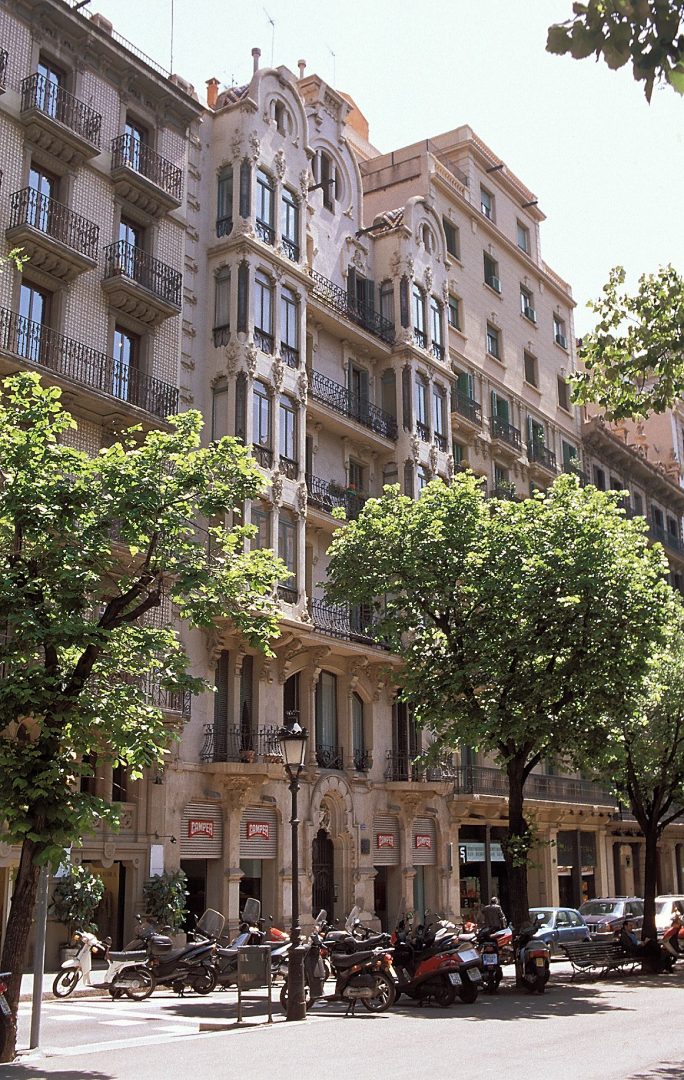
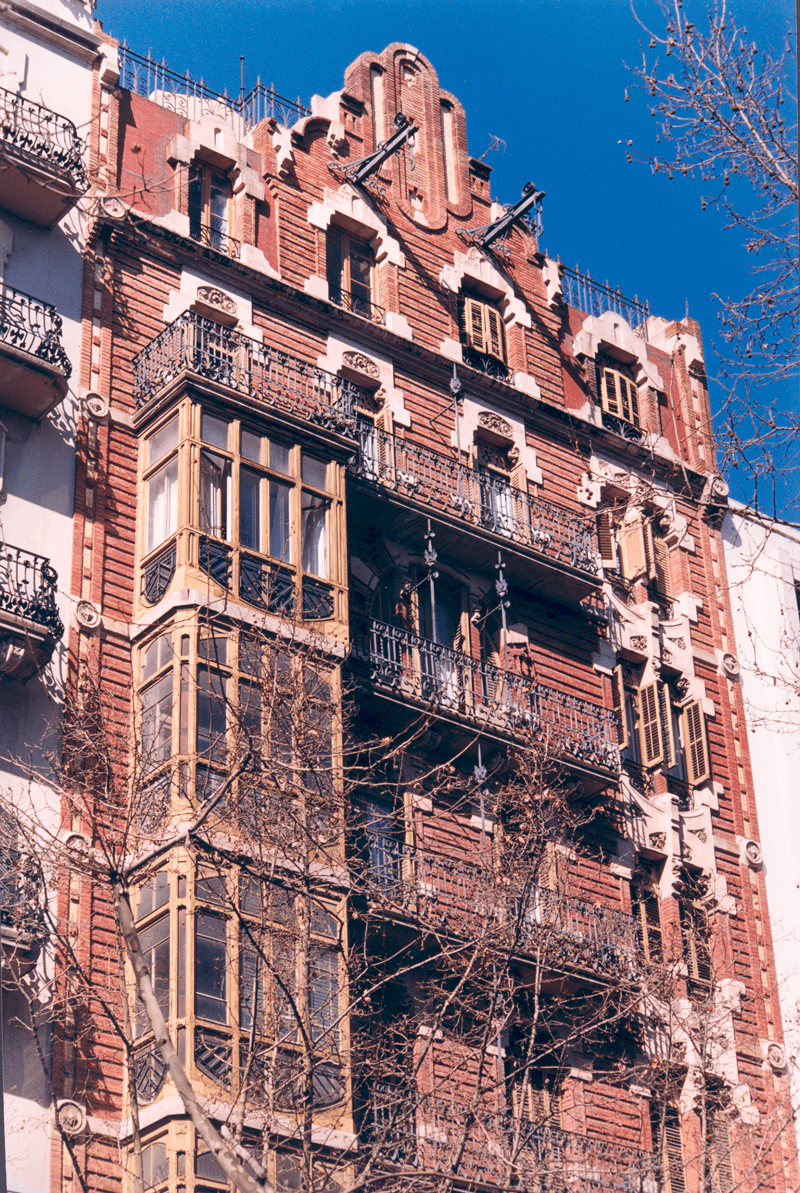
He devoted himself mainly to public works, but he also received a number of commissions from the Barcelona bourgeoisie, such as Casa Antoni Costa (1904; Rambla de de Catalunya, 122).
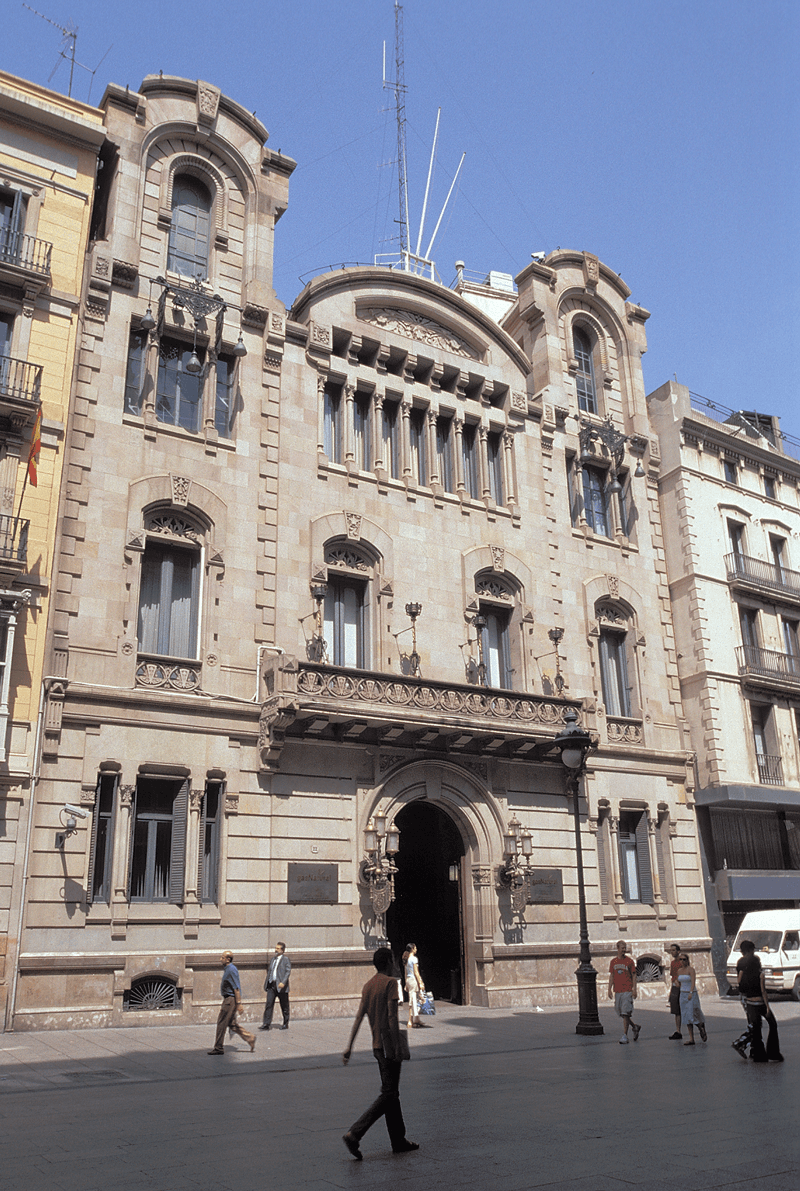
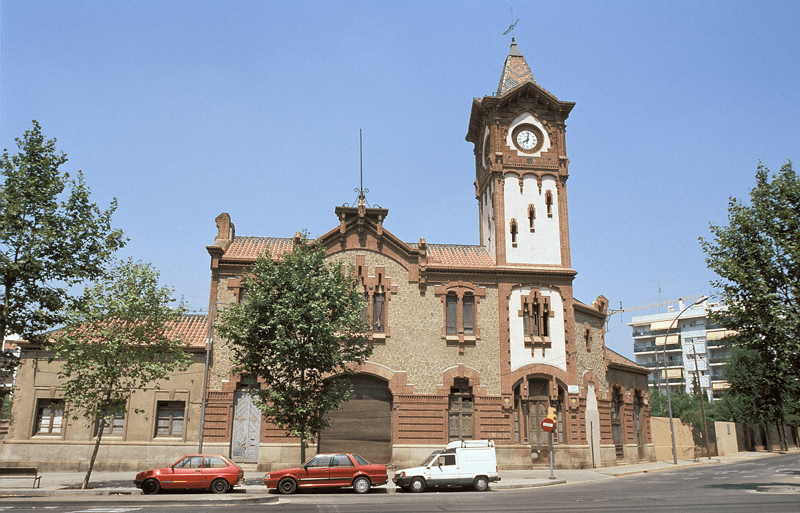
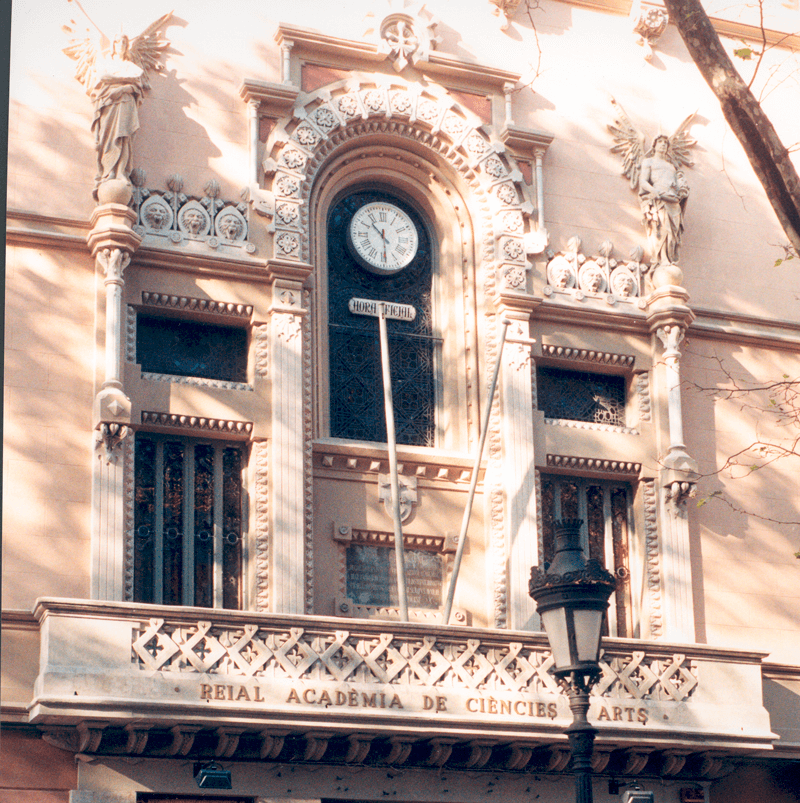
His most important works are the Palau de Justícia de Barcelona (Barcelona Courthouse, 1887-1908; Passeig de Lluís Companys, 14), which he designed with E. Sagnier, the Fabra Observatory (1904; Carretera de l´Observatori Fabra, s/n), the Barcelona Royal Academy of the Sciences and the Arts (1883; Rambla, 115) and the Model prison, together with Salvador Vinyals (1904; Entença, 155). He played an active part in putting up buildings for the organisers of the Universal Exhibition of 1888 in Barcelona. In Sitges he built Vil·la Havenmann (Artur Carbonell, 11, Sitges, 1907; currently headquarters of the Ave Maria Foundation).
His scientific background ? he held a doctorate in exact sciences ? enabled him to publish various treatises on geometry, such as the Tratado de geometría descriptiva (Treatise on Descriptive Geometry) and El modernismo arquitectónico (Architectural Modernism, 1911).
Get the Guidebook of Barcelona Modernisme Route
The Barcelona Modernisme Route is an itinerary through the Barcelona of Gaudí, Domènech i Montaner and Puig i Cadafalch, who, together with other architects, made Barcelona the great capital of Catalan Art Nouveau. With this route you can discover impressive palaces, amazing houses, the temple that is symbol of the city and an immense hospital, as well as more popular and everyday works such as pharmacies, shops, shops, lanterns or banks. Modernisme works that show that Art Nouveau took root in Barcelona and even today is still a living art, a lived art.
The Guidebook of Barcelona Modernisme Route can be acquired in our centers of Modernisme.